
Early Life and Historical Context
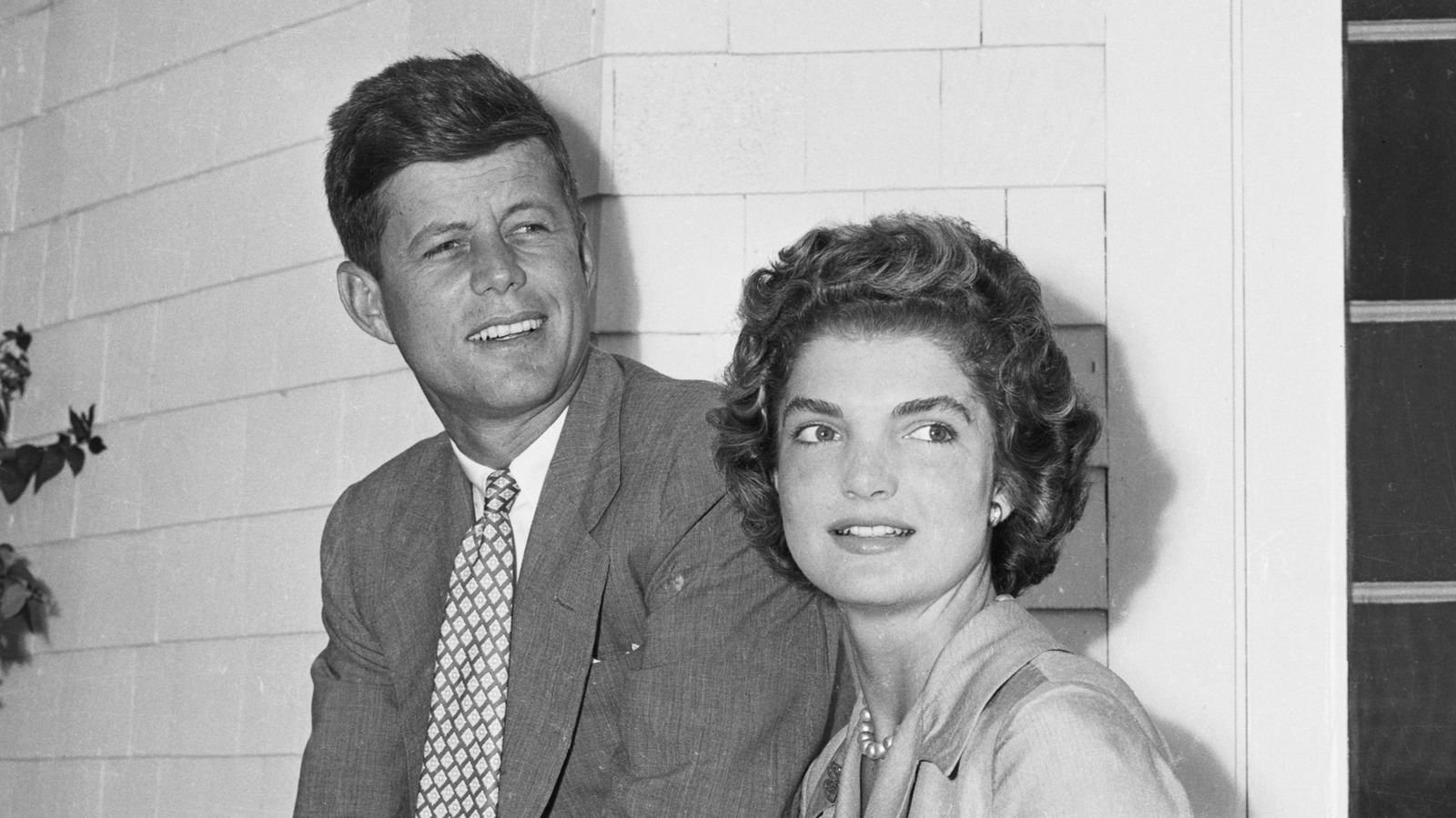
Arabella Kennedy was born into one of the most famous political families in American history, yet her life was heartbreakingly brief. She was the stillborn daughter of John F. Kennedy and Jacqueline Kennedy Onassis in 1956, at a time when her father was serving as a United States Senator from Massachusetts. Though she never took a breath, her existence quietly shaped the emotional world of her parents in profound and lasting ways.
The mid-1950s were a transformative period for the Kennedy family. John F. Kennedy was steadily building his political career, positioning himself as a future presidential contender. Behind the scenes, however, the couple was navigating personal challenges, including Jacqueline’s difficult pregnancies. Arabella’s stillbirth came after months of anticipation and hope, making the loss deeply painful for both parents.
At the time, stillbirth was a subject rarely discussed publicly. Families were expected to grieve privately, often without the societal support systems we see today. For a public family like the Kennedys, this silence was even more pronounced. The loss was acknowledged, but not explored in depth in media coverage, reflecting the cultural norms of the era.
Although Arabella’s life was tragically short, her place in the Kennedy story is significant. She was their first child, and her loss marked the beginning of a journey filled with both immense triumph and unimaginable sorrow. Understanding her story provides a more human perspective on a family often viewed primarily through the lens of politics and power.
The Emotional Impact on John and Jacqueline Kennedy
The death of a child is one of the most devastating experiences any parent can endure, and Arabella’s stillbirth deeply affected both John and Jacqueline. While John was known for his composed public persona, those close to the family noted that he was profoundly shaken. He had been looking forward to fatherhood, and the loss was a sobering moment in his otherwise ambitious political life.
For Jacqueline, the emotional toll was especially intense. She had endured a difficult pregnancy, and the stillbirth compounded both physical exhaustion and emotional grief. In later years, observers often remarked on her quiet resilience, but it is important to recognize that this resilience was forged through personal tragedy. Arabella’s death was Jacqueline’s first experience of motherhood, and it ended in heartbreak.
Grief, particularly in the public eye, requires a delicate balance. The Kennedys could not fully retreat from their responsibilities. John’s political career continued to demand attention, and Jacqueline was expected to maintain her role as a senator’s wife. This necessity to move forward, even while grieving, likely shaped how they processed their loss.
Many historians suggest that Arabella’s death strengthened the bond between John and Jacqueline during that period. Shared grief can either divide or unite, and in their case, it appears to have created a deeper emotional connection. The tenderness they later showed toward their surviving children reflected not only parental love but also an awareness of how fragile life could be.
The Cultural Silence Around Stillbirth in the 1950s
To truly understand Arabella Kennedy’s story, it is essential to consider the cultural context of the 1950s. Stillbirth was rarely spoken about openly. Medical understanding was more limited, and emotional support systems were minimal. Parents were often encouraged to “try again” rather than to publicly mourn the child they had lost.
In many cases, families did not even hold formal funerals for stillborn infants. Grief was treated as a private matter, almost something to be endured quietly rather than acknowledged collectively. arabella kennedy For the Kennedys, whose lives were constantly scrutinized, this cultural silence was amplified. There was little room for visible vulnerability.
The media landscape of the time also played a role. Today, public figures often speak openly about pregnancy loss, helping to reduce stigma and foster connection. In contrast, during the 1950s, such personal matters were considered inappropriate for widespread discussion. Arabella’s death was reported, but not examined with the compassion and openness that would likely exist now.
This silence does not diminish the significance of her life. In fact, it highlights how much societal attitudes have evolved. By revisiting Arabella’s story today, we not only honor her memory but also acknowledge the countless families who experienced similar losses in an era that offered little public understanding or support.
The Influence of Loss on the Kennedy Presidency
While Arabella never lived to see her father become president, her brief existence arguably influenced the emotional landscape of his presidency. Personal loss often shapes leaders in subtle but meaningful ways. For John F. Kennedy, experiencing the death of his first child may have deepened his empathy and awareness of life’s fragility.
When he eventually assumed the presidency in 1961, Kennedy was already a father to two young children, Caroline and John Jr., with another son, Patrick, born later. Observers frequently commented on his visible affection for his children. The famous images of him playing with them in the Oval Office reveal a man who cherished fatherhood.
It is difficult to separate this devotion from the earlier experience of loss. Parents who have endured stillbirth often describe a heightened sense of gratitude for subsequent children. Arabella’s memory likely intensified the joy and protectiveness he felt toward his family. Tragedy can sharpen appreciation, and that seems to have been true in this case.
Additionally, personal hardship can shape leadership style. Kennedy’s presidency was marked by composure during crises such as the Cuban Missile Crisis. While it would be simplistic to attribute his calm entirely to personal grief, life experiences inevitably inform character. Arabella’s brief life, though rarely mentioned in political analyses, forms part of the emotional foundation of his years in office.
Jacqueline Kennedy’s Private Grief and Public Strength
Jacqueline Kennedy’s image as First Lady was one of elegance, intelligence, and poise. Yet behind that carefully maintained exterior was a woman who had already endured significant loss before entering the White House. Arabella’s stillbirth was a formative experience that shaped her understanding of motherhood and vulnerability.
In the years following the loss, Jacqueline went on to experience additional pregnancy challenges. Her son Patrick was born prematurely in 1963 and died two days later. These repeated tragedies underscore the depth of sorrow she carried, often away from public view. Arabella’s death was the beginning of a pattern of maternal heartbreak.
Despite these personal trials, Jacqueline fulfilled her public duties with remarkable composure. arabella kennedy She transformed the White House into a cultural center and became an international icon. It is worth considering how much inner strength was required to perform these roles while carrying unresolved grief. Her grace was not merely aesthetic; it was emotional endurance.
Today, many view Jacqueline as a symbol of resilience. Understanding Arabella’s place in her life adds nuance to that perception. Resilience does not mean the absence of pain; it means learning to live alongside it. Arabella’s memory likely remained with her always, a quiet reminder of both loss and love.
Conclusion: Remembering Arabella Kennedy Today
In modern discussions of the Kennedy family, Arabella is sometimes mentioned only in passing, yet her story deserves thoughtful recognition. She represents not only a personal tragedy but also a universal human experience. Pregnancy loss touches families across cultures, social classes, and generations.
Remembering Arabella invites us to humanize a family often mythologized in American history. The Kennedys are frequently discussed in terms of political achievements and dramatic events, but they were also parents who endured grief. Acknowledging this reality brings depth and authenticity to their narrative.
Her resting place is at Holyhood Cemetery in Massachusetts, alongside other family members. Though she never had the chance to build a life story of her own, she remains part of the Kennedy legacy. Memory, after all, is not measured by years lived but by the impact left behind.
Ultimately, Arabella Kennedy’s significance lies not in political symbolism but in emotional truth. She reminds us that behind every public figure is a private life filled with joys and sorrows. By reflecting on her story, we honor not only her brief existence but also the countless families who have experienced similar loss and found ways to move forward with courage and hope.













Leave a Reply