
When you hear the name Sarah Lynott, it might instantly ring a bell with fans of classic rock — but not always for the reasons that most expect. Sarah herself isn’t a famous recording artist or a regular name in music magazines. Instead, she represents something deeper: the human side of rock legend Phil Lynott, frontman and creative force behind the iconic band Thin Lizzy.
In rock history, Sarah stands at a fascinating crossroads — she’s both part of a legendary narrative and a person who chose a grounded, private life beyond public scrutiny. Her story reflects themes of family legacy, identity, resilience, and the quiet ways that love and influence persist far beyond the stage lights. This article unpacks her life in depth, painting a layered portrait that goes beyond mere biography.
Beginnings: Birth and Family Roots
Sarah Lynott was born in December 1978 to famed Irish musician Phil Lynott and his partner Caroline Crowther. Her birth came at a time when Thin Lizzy was riding high on international success. Songs like The Boys Are Back in Town and Whiskey in the Jar had cemented the band’s reputation as rock royalty. But while Phil’s on‑stage persona was that of an electrifying performer, his off‑stage world was anchored by his emerging role as a father — and Sarah would be central to this part of his life.
Her mother, Caroline, came from a creative background in her own right. As the daughter of British entertainer Leslie Crowther, Caroline grew up around show business, even though she preferred a life of relative calm compared to the rock world’s spectacle. This mix of influences — the high‑energy world of rock and the more grounded background of her mother’s family — would create a unique environment for Sarah’s early years.
Although her parents married in 1980, their relationship did not last, and they separated a few years later. These early family dynamics would shape Sarah’s childhood in quiet but meaningful ways, balancing the fame attached to her last name with a desire for privacy and normalcy.
Significantly, Sarah wasn’t the only child in Phil Lynott’s family. She grew up alongside her sister, Cathleen, and maintained connections with extended family members, including a half‑brother. Their shared roots — blending personal memory with rock legacy — formed the foundation of a family identity that stayed strong even after tragedy struck.
“Sarah” — The Song That Defined a Legacy
Perhaps the most famous public association with Sarah isn’t her life story but a song: “Sarah”. This track, featured on Thin Lizzy’s 1979 album Black Rose: A Rock Legend, was written by Phil Lynott and collaborator Gary Moore as a heartfelt tribute to his newborn daughter.
Unlike Thin Lizzy’s typically electrifying rock anthems, “Sarah” stands out for its softness and emotional honesty. The gentle melody and deeply personal lyrics convey a father’s unguarded affection for his child — a rare glimpse into the private emotional world of one of rock’s biggest personalities.
It’s worth noting that this song was not originally intended to be part of Thin Lizzy’s core rock repertoire. The track’s creation came from a more intimate space, blending acoustic tones with heartfelt lyricism. Even though it was eventually included on the band’s album, it remains unique — a lullaby born out of real paternal love rather than commercial calculation.
For Sarah, the song’s existence is more than just a footnote in rock history. It is a permanent artistic testament to her father’s love, something that endures across decades. Fans often cite this track as one of the most touching pieces in Thin Lizzy’s catalog — not because it topped charts, but because it revealed the heart beneath the rock star image.
Growing Up in the Shadow of Genius
Following her early childhood, Sarah’s life was touched by both ordinary joys and extraordinary legacy. When her father passed away in 1986 at just 36 years old, she was still very young. Phil’s death, caused by heart failure linked to years of substance struggles, was a shock to the music world — and a pivotal event in Sarah’s personal history.
After his passing, Sarah and her family moved to the United Kingdom. sarah lynott Their mother Caroline raised the daughters mostly outside of the limelight, preferring a quiet, stable environment over the constant glare of media attention. This decision was crucial. Rather than being thrust into permanent public scrutiny, Sarah and her sister grew up with a reasonable amount of privacy — a luxury that many children of famous figures rarely enjoy.
Of course, being part of rock lore still carried its own set of expectations and curiosities from the world. Friends, distant admirers, and fans of Thin Lizzy often wanted to know more about Phil’s family and what became of his daughters. For Sarah, this meant learning to balance respect for her father’s legacy with her own right to a personal life.
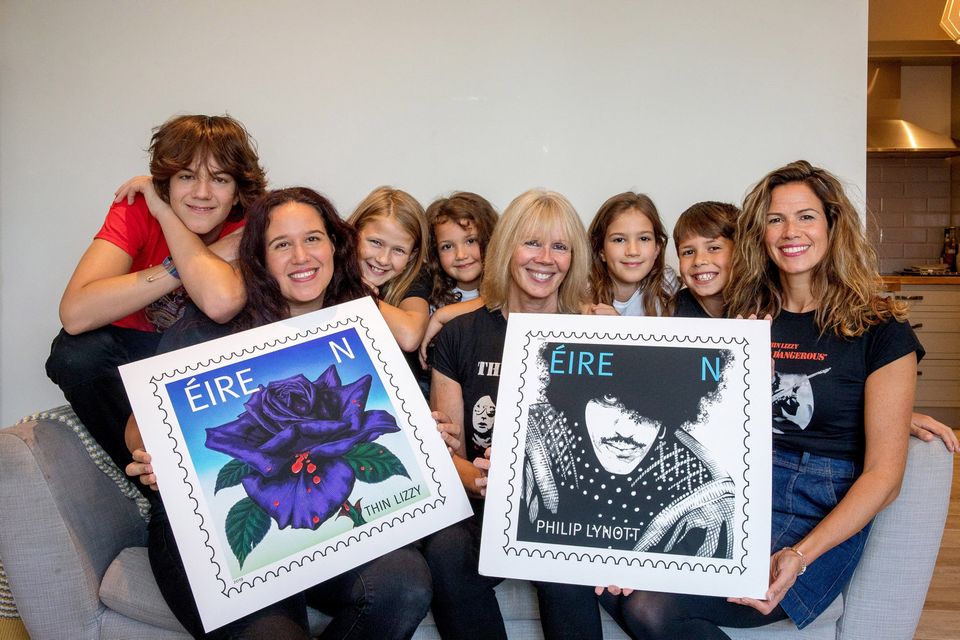
Interestingly, both Sarah and Cathleen have appeared publicly on rare occasions to reflect on their father’s influence and legacy — most notably during events commemorating him, such as coin or stamp releases celebrating Phil Lynott’s life. In these moments, they have always struck a balance between pride and private dignity.
Adult Life: Career, Family, and Personal Choices
As she grew older, Sarah built a life that reflects creativity and independence — much like her father — but in spaces that she chose for herself. She developed a diverse career in the events and creative industries, working on major productions and behind‑the‑scenes coordination.
Her professional journey includes significant roles in artist liaison, tour planning, corporate shows, and logistical operations for high‑profile events. Sarah’s work touched major productions, fashion shows, music tours, and cultural events, highlighting her ability to translate creative vision into smoothly executed reality.
Beyond her corporate and creative work, she also ventured into entrepreneurship. She co‑founded a clothing brand and operated a restaurant in Bath, demonstrating a blend of artistic flair and business savvy. These ventures, though varied, shared a common theme — personal expression and community engagement.
Family has always remained central to Sarah’s life choices. She and her partner, known publicly as Robbie Tack, built a stable household together and raised two children: Lola Lynott‑Tack and Cassian Lynott‑Tack. Their hyphenated surnames reflect a modern perspective on family identity and partnership.
Despite her career achievements and her connection to rock history, Sarah has chosen not to seek fame in the traditional sense. She strongly emphasizes personal privacy and the well‑being of her family, keeping social media and public exposure to a minimum.
Balancing Legacy With Personal Identity
For many children of famous figures, identity can become inseparable from their parent’s name. But Sarah’s trajectory shows a different path — one in which heritage informs but does not overshadow her own story. She understands the cultural importance of her father’s work, yet she also crafts a life that belongs to her own experience.
Sarah’s participation in documentaries, public events, and commemorations is always rooted in respect and reflection rather than celebrity seeking. When she speaks publicly, it’s usually to honor her father’s memory, not to relive his fame through personal exposure.
This approach reflects maturity and thoughtfulness, acknowledging that legacy is not merely about fame — it’s about influence, memory, and the values passed on from one generation to the next. sarah lynott For Sarah, her father’s music is part of her inheritance, but not the entirety of her identity.
In many ways, her life exemplifies how public history and private reality can coexist. She stands as a real person with real achievements, not merely a footnote in rock history. Her choices emphasize stability, creativity, and integrity — all while carrying forward the name Lynott with quiet dignity.
Conclusion: The Lasting Significance of Sarah Lynott
Sarah Lynott may not be a household name worldwide, but her significance transcends surface recognition. She represents a bridge between the electric intensity of rock music’s legendary era and the grounded rhythms of everyday life. In her, we see how legacy isn’t a burden or a spotlight, but a foundation from which personal meaning grows.
Her story reminds fans and observers alike that behind every cultural icon — every hit song and electrifying performance — are real human relationships, deep feelings, and lifelong impacts that extend far beyond the stage. “Sarah,” the song, stands as a tender eternal note in rock’s vast symphony, but the woman after whom it was named has lived a life rich with depth, choice, and quiet accomplishment.













Leave a Reply