
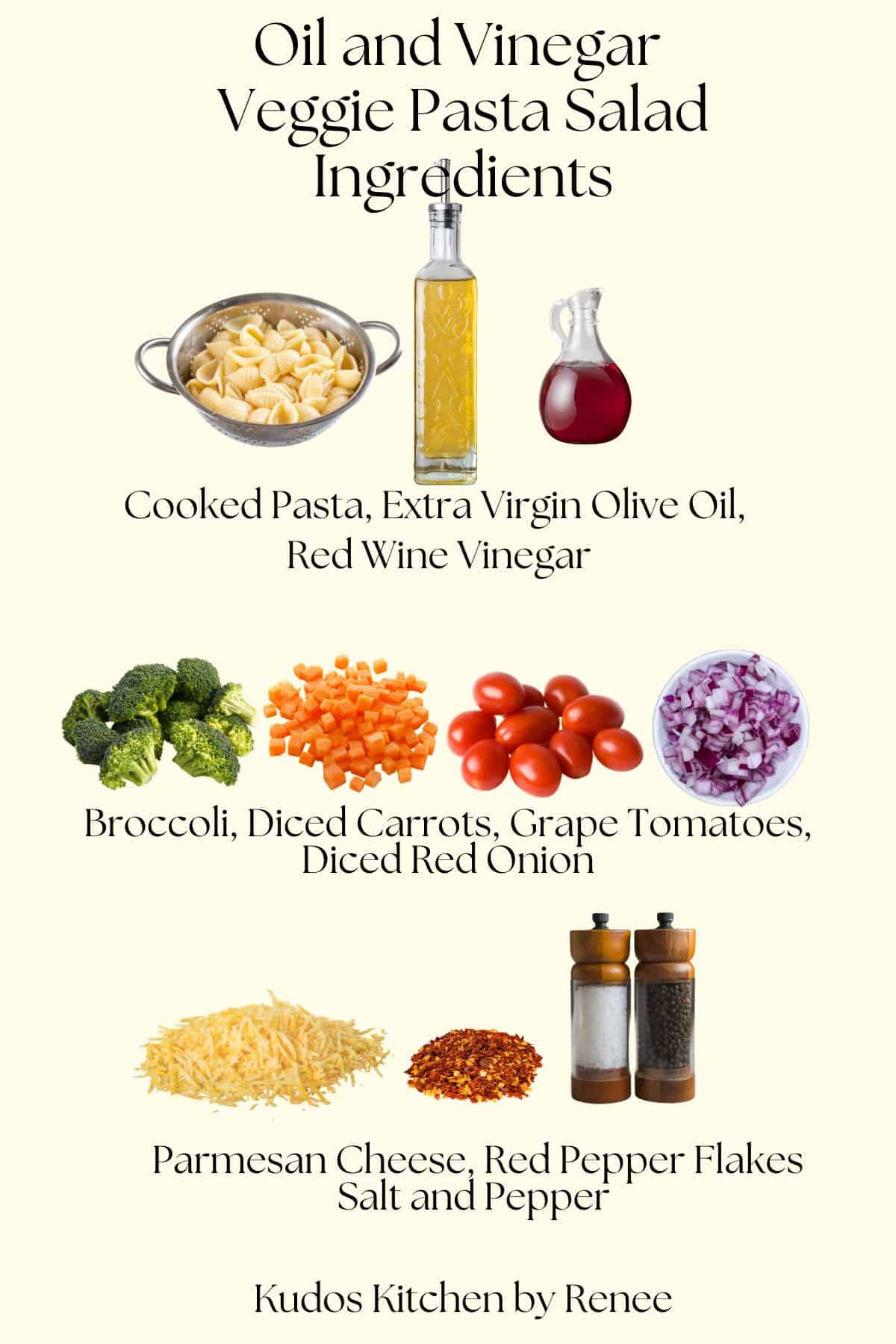
Vegetables are the foundation of a healthy diet, yet many people struggle with organizing them effectively in their meals or grocery routines. This is where a well-planned vegg list becomes incredibly helpful. Instead of randomly buying vegetables or forgetting key ingredients, having a structured list ensures variety, nutrition, and convenience.
A vegg list is more than just a list of vegetables. It is a simple but powerful tool that helps you plan meals, track nutritional intake, and shop efficiently. Whether you cook daily or occasionally, organizing vegetables into a thoughtful list can transform the way you approach healthy eating.
Many nutrition experts recommend eating a wide range of vegetables to ensure your body gets essential vitamins, minerals, and fiber. However, without a clear plan, people often end up buying the same vegetables repeatedly. A well-organized vegg list encourages variety and helps you explore different options.
In this guide, we will explore everything you need to know about creating and using a vegg list effectively. From understanding its importance to organizing vegetables by categories, seasons, and dietary needs, this article will help you build a smarter and healthier vegetable routine.
Why a Vegg List Is Important for Everyday Life
Creating a vegg list might sound simple, but it has a surprisingly big impact on daily life. One of the main advantages is improved grocery planning. Instead of wandering through a store wondering what to buy, you already know which vegetables you need.
Another important benefit is reducing food waste. Many people buy vegetables without a clear plan for how they will use them. As a result, produce often sits in the refrigerator until it spoils. A vegg list allows you to buy only what you need for specific meals.
A vegg list also helps maintain a balanced diet. When you plan your vegetable intake, you naturally include a variety of colors and nutrients. Green vegetables provide iron and folate, orange vegetables contain beta-carotene, and purple vegetables offer powerful antioxidants.
Finally, a vegg list makes cooking easier and faster. When you already know which vegetables are available in your kitchen, meal preparation becomes more efficient. Instead of improvising every day, you can follow a simple plan and enjoy healthier meals with less stress.
Common Categories in a Vegg List
When building a vegg list, it helps to organize vegetables into categories. This makes it easier to plan meals and ensure nutritional variety. One common way to categorize vegetables is by plant type.
Leafy vegetables are one of the most important categories. These include spinach, lettuce, kale, cabbage, and similar greens. Leafy vegetables are rich in vitamins A, C, and K, and they are excellent for salads, soups, and stir-fries.
Root vegetables are another major category in any vegg list. These include carrots, potatoes, beets, radishes, and turnips. Root vegetables grow underground and are usually rich in fiber and complex carbohydrates.
A third category is fruit vegetables, which are technically fruits but commonly used as vegetables in cooking. Examples include tomatoes, cucumbers, bell peppers, zucchini, and eggplant. These vegetables add flavor, color, and texture to many dishes.
Finally, there are cruciferous vegetables such as broccoli, cauliflower, and Brussels sprouts. These vegetables are known for their powerful health benefits and are often recommended in balanced diets. Including a mix of all these categories in your vegg list ensures nutritional diversity.
Nutritional Benefits of Maintaining a Vegg List
One of the biggest advantages of maintaining a vegg list is improved nutrition. Vegetables are packed with vitamins, minerals, antioxidants, and fiber that support overall health.
For example, leafy greens are rich in iron and folate, which support blood health and energy levels. Root vegetables provide carbohydrates that fuel the body while also delivering essential nutrients like potassium.
Another benefit is improved digestion. Vegetables are high in dietary fiber, which supports healthy digestion and gut health. When you maintain a vegg list, you naturally include more fiber-rich foods in your diet.
Vegetables also help reduce the risk of chronic diseases. vegg list Many studies show that diets rich in vegetables are associated with lower risks of heart disease, diabetes, and certain cancers. This is largely due to antioxidants and anti-inflammatory compounds.
Finally, vegetables are naturally low in calories but high in nutrients. This makes them perfect for people who want to maintain or lose weight while still eating satisfying meals.
How to Create a Weekly Vegg List
Creating a weekly vegg list is a practical strategy that simplifies meal planning. The first step is to think about the meals you plan to cook during the week.
Start by listing the main dishes you want to prepare. Once you know your meals, identify the vegetables required for each dish. This helps ensure you buy exactly what you need.
Next, add versatile vegetables that can be used in multiple recipes. For example, onions, garlic, tomatoes, and carrots are commonly used in many dishes. These staples should always appear on your vegg list.
It is also helpful to balance fresh vegetables with longer-lasting ones. Some vegetables spoil quickly, while others can stay fresh for weeks. Mixing both types ensures you always have ingredients available.
Finally, keep your vegg list flexible. If a certain vegetable is unavailable or too expensive, you can easily replace it with a similar option.
Seasonal Vegetables to Include in Your Vegg List
Another smart strategy is building your vegg list based on seasonal produce. Seasonal vegetables are usually fresher, tastier, and more affordable.
In spring, vegetables like asparagus, peas, lettuce, and spinach are widely available. These vegetables are light, fresh, and perfect for salads and simple dishes.
Summer offers a colorful variety of vegetables such as tomatoes, cucumbers, zucchini, bell peppers, and eggplants. These vegetables are ideal for grilling, salads, and refreshing meals.
Autumn introduces hearty vegetables like pumpkins, sweet potatoes, carrots, and squash. These vegetables are perfect for soups, stews, and roasted dishes.
Winter vegetables include cabbage, broccoli, cauliflower, and root vegetables. These nutrient-dense options help maintain a healthy diet during colder months.
By adjusting your vegg list according to the season, you can enjoy better flavor while saving money.
Tips for Storing Vegetables from Your Vegg List
Proper storage is essential if you want to keep vegetables fresh and avoid waste. Different vegetables require different storage methods.
Leafy greens should usually be stored in the refrigerator with proper airflow. Wrapping them in paper towels can help absorb excess moisture and keep them fresh longer.
Root vegetables like potatoes, onions, and garlic should be stored in cool, dry places rather than the refrigerator. These vegetables last longer when kept away from direct sunlight.
Another useful tip is separating ethylene-producing vegetables from others. Certain vegetables release natural gases that can cause nearby produce to spoil faster.
Finally, washing vegetables only before use can extend their shelf life. Excess moisture can encourage mold growth, so keeping vegetables dry during storage is important.
Vegg List Ideas for Different Diets
Different diets require different types of vegetables, and a vegg list can be customized accordingly.
For plant-based diets, vegetables play a central role. A vegg list for this lifestyle might include protein-rich vegetables such as broccoli, spinach, peas, and mushrooms.
For low-carb diets, vegetables like zucchini, cauliflower, lettuce, and cucumbers are commonly included. These vegetables provide nutrients while keeping carbohydrate intake low.
People following high-fiber diets often include vegetables such as carrots, beets, cabbage, and Brussels sprouts. These options support digestive health and help maintain fullness.
For weight management diets, vegetables with high water content are ideal. Examples include cucumbers, lettuce, tomatoes, and celery. These vegetables provide volume and nutrients without adding many calories.
Common Mistakes When Creating a Vegg List
Although making a vegg list is simple, some common mistakes can reduce its effectiveness. One mistake is buying too many vegetables without a clear plan.
Another common problem is ignoring variety. Some people buy the same vegetables every week, which can lead to nutritional gaps and boring meals.
People also sometimes forget to consider storage life. vegg list Buying several delicate vegetables at once may lead to spoilage if they are not used quickly.
Another mistake is overlooking frozen vegetables. Frozen options can be just as nutritious as fresh ones and often last much longer.
Finally, many people fail to adjust their vegg list according to season and availability. Being flexible helps you get the best produce at the best price.
Conclusion:
A well-organized vegg list is one of the simplest ways to improve your diet and grocery routine. Instead of randomly choosing vegetables, you create a structured approach that supports both nutrition and convenience.
By categorizing vegetables, planning meals, and considering seasonal produce, you can build a list that ensures variety and balance. This approach not only improves health but also saves time and money.
Maintaining a vegg list also encourages better cooking habits. When you have the right vegetables available, preparing healthy meals becomes easier and more enjoyable.
In the long run, a thoughtful vegg list can transform the way you shop, cook, and eat. It is a small habit that leads to significant improvements in overall health and lifestyle.






Leave a Reply