
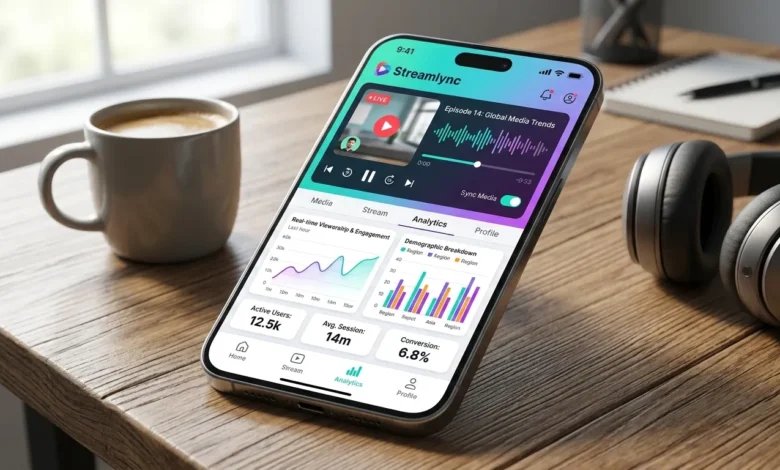
Mobile applications have evolved far beyond simple tools that perform isolated tasks. Today’s users expect speed, personalization, multimedia integration, and cross-platform performance—all wrapped into one seamless experience. This is where the concept of application mobile DualMedia comes into play. It represents a new way of thinking about mobile app development, blending multiple forms of digital interaction into a unified framework.
At its core, application mobile DualMedia focuses on combining two powerful digital streams—typically content and communication, or media and functionality—within a single mobile ecosystem. Instead of separating user interaction and content consumption, this model integrates them deeply. The result is a richer, more immersive user experience that feels both dynamic and intuitive.
In this article, we’ll explore what application mobile DualMedia really means, how it works, why it matters, and how businesses and developers can leverage it effectively. I’ll walk you through it casually but with the depth and clarity that comes from real-world development experience.
Understanding the Concept of Application Mobile DualMedia
The term application mobile DualMedia might sound technical, but the concept behind it is surprisingly straightforward. It revolves around integrating two core media channels within a mobile application. These channels often include interactive functionality and rich multimedia content such as video, audio, live feeds, or real-time messaging.
Traditionally, mobile apps were designed with a primary purpose in mind—shopping, chatting, streaming, or gaming. DualMedia shifts this approach by blending two experiences into one cohesive structure. For example, imagine an e-learning app where video lessons and real-time discussion forums are seamlessly connected. Users don’t switch contexts; they experience everything fluidly.
From a technical standpoint, this requires a more sophisticated backend and frontend integration. APIs, cloud storage, streaming protocols, and responsive UI frameworks must work together without friction. Developers must ensure that content loading, interaction, and communication features operate in harmony, not competition.
What makes application mobile DualMedia powerful is not just the combination of media types, but the synchronization between them. When properly executed, users feel like they are engaging with a living, responsive digital environment rather than a static application.
Why Application Mobile DualMedia Is Gaining Popularity
The rise of high-speed mobile internet and 5G technology has significantly contributed to the popularity of application mobile DualMedia solutions. Users now expect real-time performance and high-quality streaming without buffering or lag. This infrastructure advancement makes DualMedia integration not only possible but practical.
Another major driver is user behavior. Modern users multitask constantly. They watch, chat, shop, and learn simultaneously. A DualMedia mobile application caters directly to this behavior by merging content consumption with interactive engagement. Instead of forcing users to switch between apps, it keeps them within one ecosystem.
Businesses are also recognizing the value of increased engagement. application mobile dualmedia The longer users stay within an application, the higher the chances of conversion, retention, and monetization. DualMedia strategies increase session duration by offering layered interaction—users can consume content while engaging with features like comments, live chats, or integrated tools.
Finally, competitive pressure is pushing innovation. In crowded app marketplaces, differentiation matters. Application mobile DualMedia gives companies a unique edge by delivering an experience that feels immersive and forward-thinking rather than generic.
Core Features of a Strong Application Mobile DualMedia Platform
A well-designed application mobile DualMedia platform includes several defining features that distinguish it from traditional mobile apps. First, there is synchronized media integration. This means that video, audio, or dynamic content updates in real time while user interactions occur simultaneously.
Second, adaptive user interfaces are crucial. DualMedia apps must adjust layouts dynamically based on what the user is doing. For example, when a user opens a live video stream, interactive tools might automatically resize and reposition without disrupting the viewing experience.
Third, strong backend architecture supports seamless data handling. Real-time databases, scalable cloud infrastructure, and low-latency APIs are essential. Without a solid backend, the dual functionality would create performance bottlenecks rather than enhancing user experience.
Fourth, security and data management cannot be overlooked. When apps combine communication and media streaming, they often handle large volumes of user-generated content and sensitive data. End-to-end encryption, secure authentication protocols, and compliance with privacy regulations become non-negotiable components of a successful application mobile DualMedia system.
Development Approach for Application Mobile DualMedia
Developing an application mobile DualMedia solution requires careful planning from day one. You cannot simply build a standard app and then “add media” as an afterthought. The architecture must be designed to support parallel processing of content and interaction features.
Cross-platform development frameworks like Flutter or React Native are often used to ensure consistent performance across Android and iOS. However, developers must pay special attention to media rendering performance, which may require native-level optimizations for smooth playback and real-time responsiveness.
Backend development plays an even bigger role. Using microservices architecture allows each media component—such as streaming, messaging, analytics, and authentication—to function independently while communicating efficiently. This approach prevents one system failure from bringing down the entire app.
Testing is also more complex than usual. Developers must simulate high user loads, varying internet speeds, and different device capabilities. A DualMedia app must perform equally well on high-end smartphones and mid-range devices. Without extensive stress testing and optimization, the user experience can quickly deteriorate.
Business Benefits of Application Mobile DualMedia
From a business perspective, application mobile DualMedia offers measurable advantages. The most obvious benefit is increased user engagement. When users interact with multiple layers of content and functionality within one app, they spend more time exploring.
Monetization opportunities also multiply. Businesses can integrate advertising within media streams, offer premium interactive features, or introduce subscription tiers that unlock advanced tools. Because users are already deeply engaged, conversion rates tend to improve compared to single-purpose apps.
Brand loyalty strengthens as well. A well-executed DualMedia experience feels innovative and user-centric. Customers associate that seamless experience with the brand itself. In competitive markets, this emotional connection can be more valuable than price differentiation.
Another often-overlooked advantage is data insight. Since users interact across multiple media channels within the same ecosystem, businesses gain richer behavioral data. This data can be used to refine personalization algorithms, improve content recommendations, and optimize marketing strategies.
Challenges and Considerations in DualMedia Implementation
Despite its advantages, implementing application mobile DualMedia is not without challenges. One of the primary concerns is performance optimization. Combining media streaming with real-time interaction increases CPU usage, memory consumption, and battery drain. Developers must carefully optimize code and reduce unnecessary background processes.
Bandwidth management is another critical issue. Not all users have access to high-speed internet at all times. Adaptive bitrate streaming and efficient compression techniques are essential to maintain quality without overwhelming the user’s data connection.
User interface complexity can also become a problem. When too many features are visible at once, the interface may feel cluttered. Good UX design principles—such as progressive disclosure and contextual controls—help maintain clarity while preserving functionality.
Finally, long-term maintenance requires consistent updates. As operating systems evolve and new devices enter the market, compatibility adjustments must be made. A DualMedia application demands continuous improvement to remain stable and competitive.
The Future of Application Mobile DualMedia
Looking ahead, the future of application mobile DualMedia appears extremely promising. With advancements in artificial intelligence, apps will be able to dynamically adapt content and interactions based on user behavior in real time. Imagine a platform that adjusts video recommendations while simultaneously modifying interactive tools based on engagement patterns.
Augmented reality (AR) and virtual reality (VR) will further expand DualMedia possibilities. Instead of simply watching and interacting, users will immerse themselves in mixed digital environments where media and functionality blend seamlessly. application mobile dualmedia This will redefine how education, entertainment, and commerce operate on mobile platforms.
Edge computing will also enhance performance. By processing data closer to the user rather than relying entirely on centralized servers, DualMedia apps will reduce latency dramatically. This improvement will make real-time interaction feel instantaneous, even in complex media-rich environments.
Ultimately, application mobile DualMedia is more than a trend—it’s a natural evolution of mobile technology. As user expectations grow and technology advances, integration will become the standard rather than the exception.
Conclusion:
The concept of application mobile DualMedia represents a shift in how we design and experience mobile applications. Instead of isolating features, it embraces integration. Instead of separating media consumption from interaction, it merges them into a cohesive ecosystem.
From development architecture to business strategy, this approach requires thoughtful planning and precise execution. But when done correctly, it delivers an experience that feels modern, engaging, and intuitive. Users no longer simply use an app—they participate in it.
As mobile technology continues to advance, the demand for richer, more interactive digital experiences will only increase. Businesses and developers who understand and implement DualMedia strategies today will be better positioned to lead tomorrow’s mobile innovation landscape.
In short, application mobile DualMedia is not just about combining features. It’s about reimagining what a mobile application can be—and building it in a way that feels seamless, intelligent, and genuinely user-focused.





Leave a Reply